Offset printing, and when it is the right call
Lithographic offset printing transfers ink from a plate to a rubber blanket and then onto the sheet. Making those plates and bringing the press up to colour is a real setup cost, and once it is paid the cost per piece is very low. That single fact decides most jobs: offset wins as soon as the run is long enough to absorb the make ready.
It also holds colour more consistently across a long run than any other process, which is why packaging, annual reports, catalogues and anything brand-critical still runs offset. If your job is short, or every piece has to differ, read offset vs digital printing before you commit.
In-house ink manufacturing
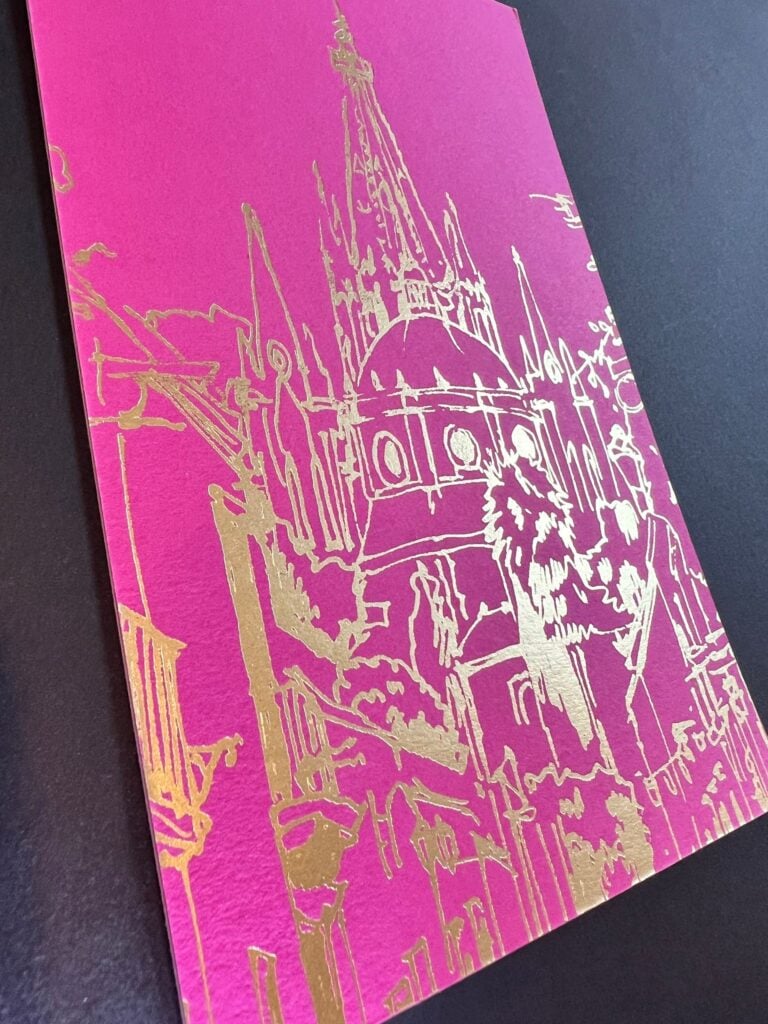
We manufacture ink in house. When a colour has to be exactly right, or when you want a look nobody else has, our team mixes it here rather than ordering a near-match and hoping.
That matters more than it sounds. Brand colours drift when they are matched by eye from batch to batch, and a reprint six months later that is visibly off is worse than no reprint at all. Mixing our own ink means the same formula is repeatable, and it means unusual colours are a normal request rather than a special order with a lead time attached.
Colour control and certification
Colour is managed from the file forward, not corrected at the press. Our prepress department is G7 and GRACoL aligned, which means the way we profile, proof and run to a numeric target is the same discipline used across the commercial printing industry, rather than a house style you would have to re-learn.
In practice that means the contract proof you approve is what comes off the press, and a job run this year matches the same job run next year.
Customization and finishing
Specialty inks and coatings
Metallics, fluorescents and custom mixes, plus varnish, aqueous and UV coatings that change how the sheet feels as much as how it looks. Spot coating one element against a matte background is one of the cheapest ways to make a piece read as premium.
Foil, embossing and die cutting
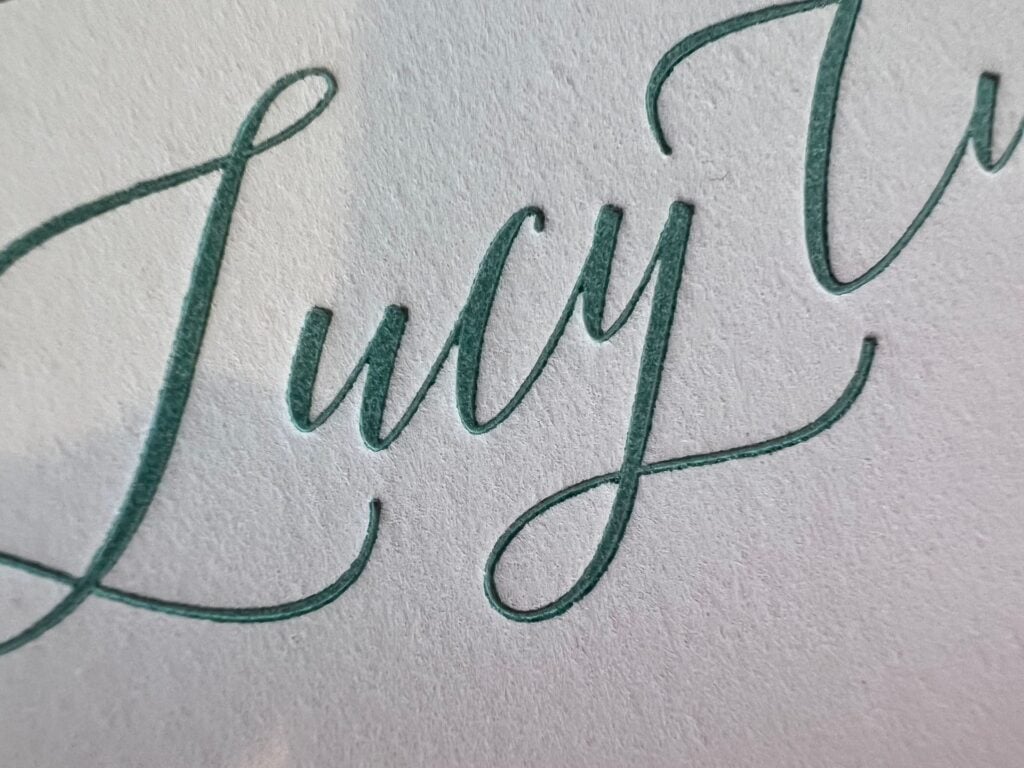
Foil stamping presses metallic or pigment foil into the board with a heated die, which is why it catches light the way printed ink cannot. Embossing and debossing add relief you feel before you read. Die cutting takes the piece out of a rectangle entirely. All of it runs through bindery and finishing.
Stock, and why it is chosen first
Caliper, coating, brightness and whether the sheet is coated or uncoated change the material cost and how the ink sits. A design that looks right on a gloss sheet can go flat on uncoated stock, so we settle stock before the artwork is finalised rather than after.
What we print offset
- Catalogues, booklets, annual reports and anything with a spine
- Invitations, announcements and stationery on heavy or textured stock
- Folding cartons and custom packaging
- Long-run brochures, sell sheets and inserts
- Business forms, letterhead and envelopes
Tell us the quantity, size, stock and deadline and we will quote it. Request a quote, upload a file, or call (504) 524-8248.