What prepress actually does
Prepress is everything between the file you send and the plate or press that reproduces it. It is where colour is profiled, artwork is checked against how it will actually be produced, and the problems that would otherwise appear on press are found while they are still cheap to fix.
It is also the least visible part of a print job and the one that decides whether the finished piece matches what you approved. A file that prints beautifully on a desktop printer can shift badly on press if it was built in the wrong colour space, has no bleed, or uses images at screen resolution.
G7 and GRACoL certified
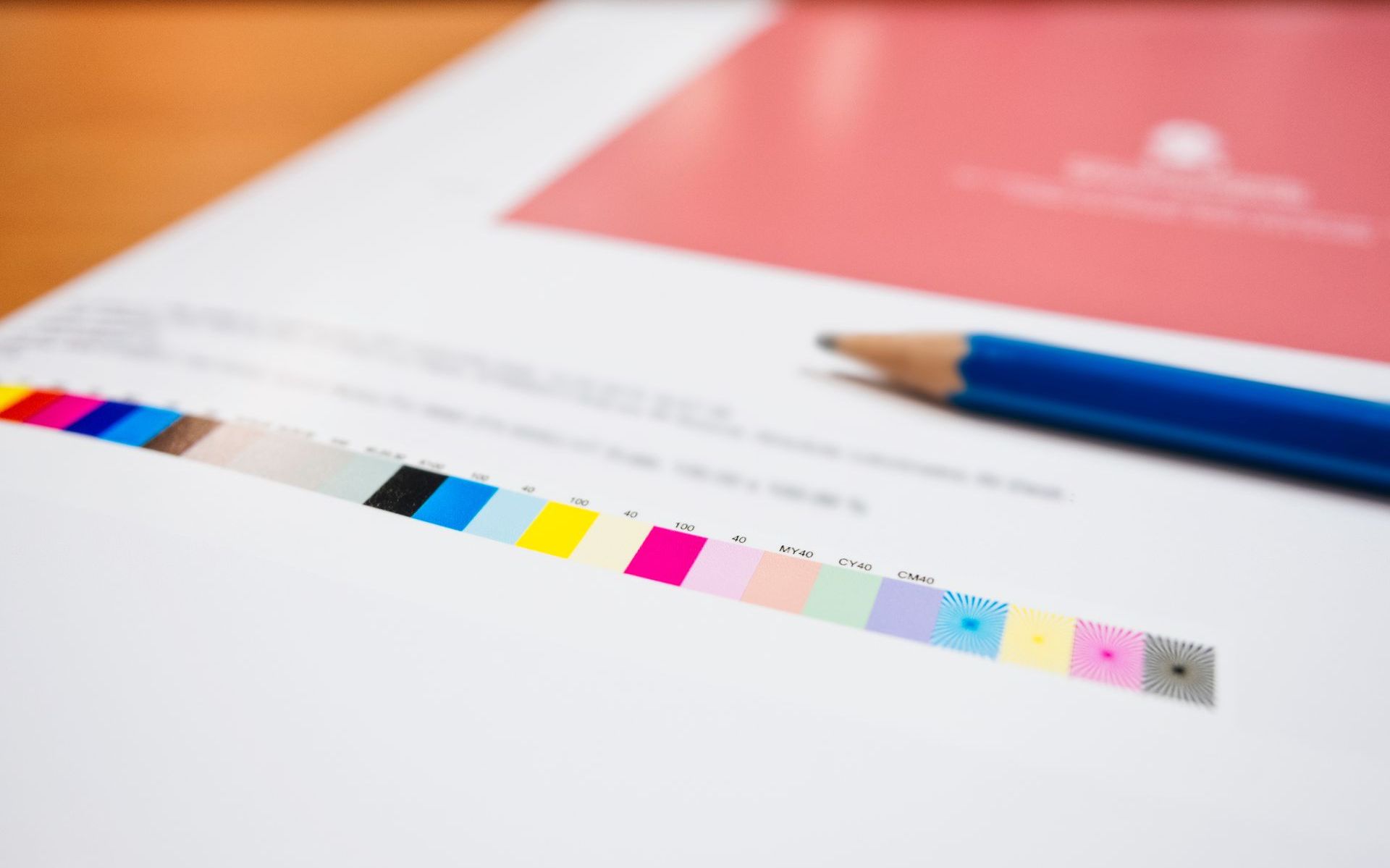
The Graphic Communications Association developed G7 and GRACoL as guidelines for quality colour reproduction, focused on sheetfed offset. We hold ourselves to those standards, which means our presses are profiled and run to a numeric target rather than to an operator preference.
The practical benefit is repeatability. A contract proof you approve is what comes off the press, the same job run next year matches the one you have now, and a piece produced here will sit correctly next to the same brand produced somewhere else that also works to the standard.
What we check before anything goes to press
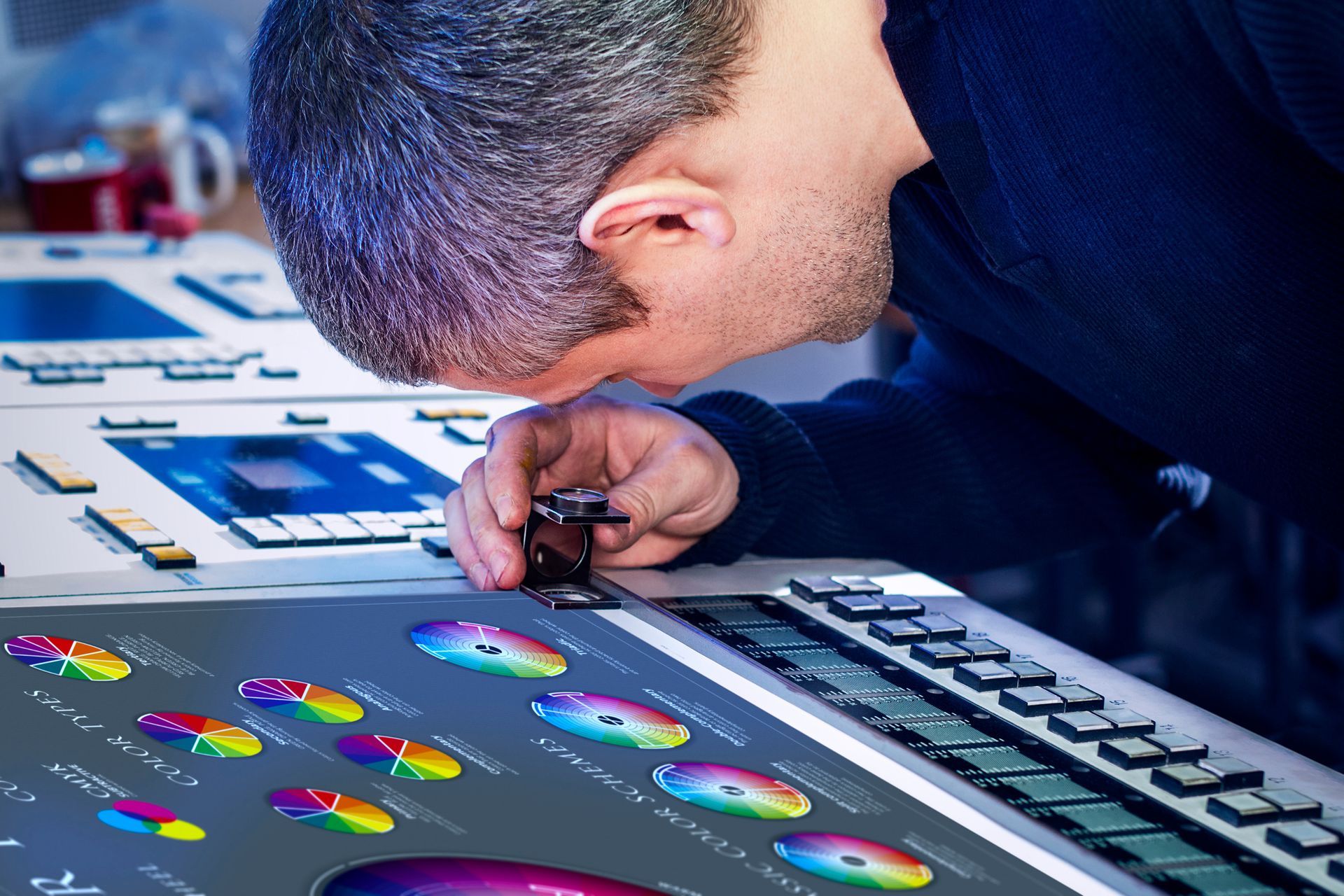
Colour space and separations
RGB artwork has to be converted for print, and how it is converted changes the result. Rich blacks, spot colours, overprints and transparency all behave differently once separated, so they are checked rather than assumed.
Bleed, trim and safe zone
Anything that runs to the edge needs bleed carried past the trim line, and anything that must not be cut needs to sit inside the safe zone. This is the single most common reason a file has to go back. We cover it fully in what is bleed in printing.
Resolution, fonts and links
Images at screen resolution look fine on a monitor and soft on paper. Missing fonts substitute silently and reflow the layout. Linked images that were not packaged simply do not arrive. All three are caught here.
Imposition and finishing
Pages are imposed so they fold into the right order, and the layout is checked against how the piece will be cut, folded, bound or die cut in bindery and finishing. A booklet imposed wrong is a reprint, not a correction.
Colour correction and image work
Photography rarely arrives ready to print. We correct casts, balance a set of images so they look like they belong together, and retouch where a product shot needs it. On a catalogue this is what stops page six looking like a different shoot from page seven.
Sending us files
- Print-ready PDF with bleed and crop marks is ideal, but not required to start
- Native files are fine if fonts and links are packaged with them
- Tell us the finished size and how it will be folded or bound
- Flag any colour that has to match an existing printed piece
- Upload a file and we will tell you what is missing
Tell us the quantity, size, stock and deadline and we will quote it. Request a quote, upload a file, or call (504) 524-8248.